
Dr JP Khatri,
Associate Professor
Military Hospital Khadki and
Armed Forces Medical College
Pune, India 411020
20 Nov 2025
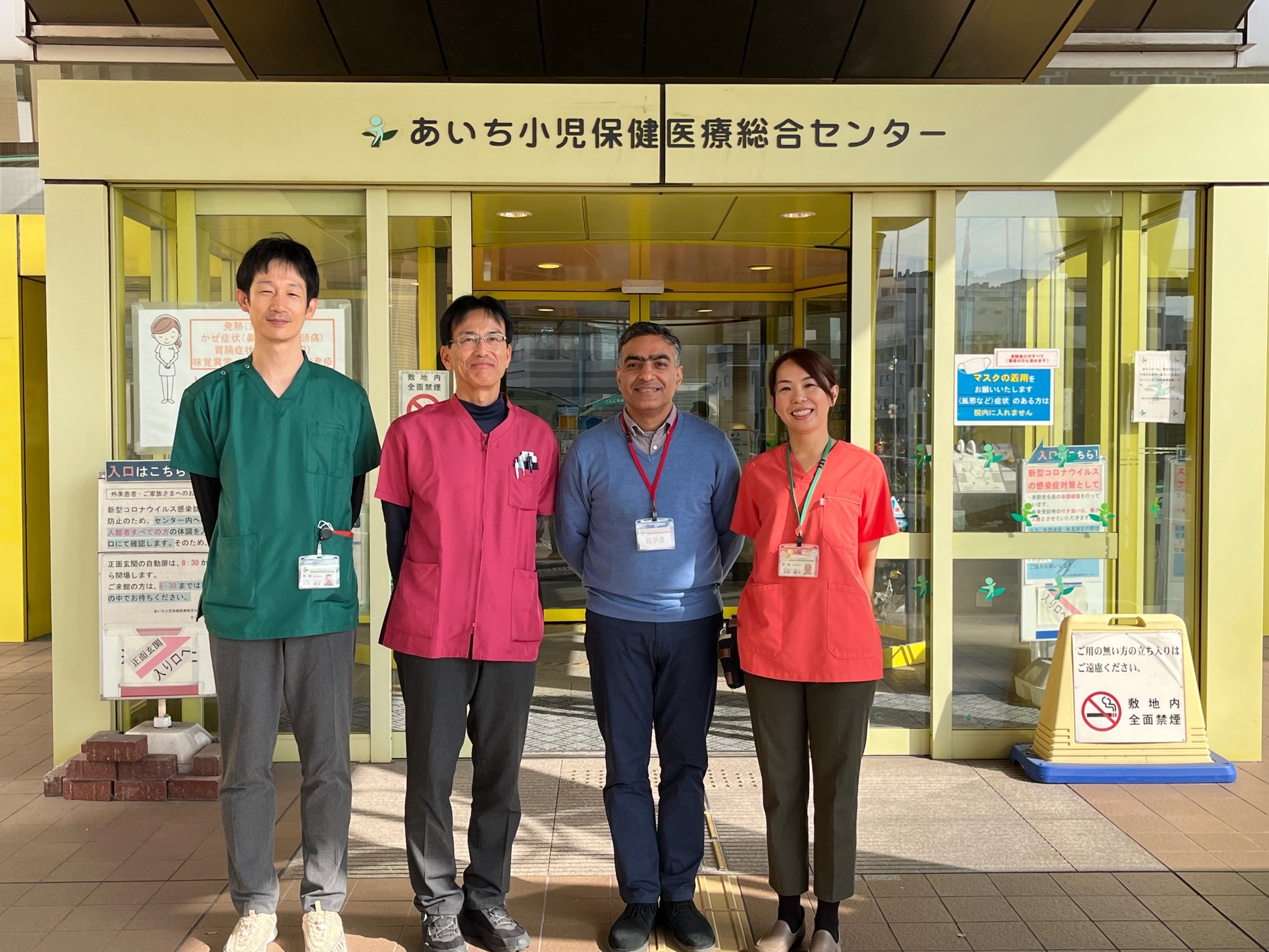
Aichi Children’s Health and Medical Centre with Dr. Hiroshi Kitoh
The inaugural day of the JPOA Fellowship provided significant exposure to outpatient
diagnostic practice and complex paediatric orthopaedic surgery under the guidance of
Dr Hiroshi Kitoh. The morning hours were spent systematically evaluating a spectrum of
cases in the OPD setting, followed by hands-on operative experience in the afternoon.
OPD Case Exposure
The inaugural day of the JPOA Fellowship provided significant exposure to outpatient diagnostic practice and complex paediatric orthopaedic surgery under the guidance of Dr Hiroshi Kitoh. The morning hours were spent systematically evaluating a spectrum of cases in the OPD setting, followed by hands-on operative experience in the afternoon.
- Developmental Dysplasia of the Hip (DDH) Hip Spica Follow-Up: Observed the progression and post-intervention evaluation in a child treated in spica, with attention to radiological signs of femoral head repositioning and remodeling.
- Down Syndrome: Case focused on musculoskeletal manifestations, including hypotonia, ligamentous laxity, and gait assessment.
- Soft Tissue Tumor – Thigh: DiMerential diagnosis and implications for imaging and biopsy in paediatric patients.
- Subchondral Fracture Without Avascular Necrosis: Discussed clinical presentation, MRI findings, and management strategies.
- Hypochondroplasia: Evaluated growth charts, limb proportions, and radiological riteria.
- Congenital Short Femur: Management options including surgical lengthening and orthotic intervention.
- DDH Treated with Traction – Excessive Internal Rotation: Analysis of traction method outcomes and gait biomechanics.
- Myelomeningocele/Spine Deformity with Intoeing: Multidisciplinary approach integrating neurosurgical and orthopaedic assessment.
- Osteogenesis Imperfecta: Strategies for fracture prevention, spine screening, and pharmacologic adjuncts.
- Joint Laxity in Infant: Recognizing genetic and acquired causes; importance of early physiotherapy.
- Bilateral CTEV with Intoeing: Reviewed Ponseti protocol outcomes and challenges in early intervention.
- Inflammatory Arthritis with Foot Deformity: Importance of multidisciplinary management involving rheumatologists.
Each case was approached using a diagnostic algorithm, with Dr. Kitoh providing structured reasoning for diMerential diagnosis, investigation, and tailored management plans.
Surgical Experience
The afternoon was devoted to the operative management of a child with osteogenesis imperfecta (OI) presenting with a fracture of the femur with an existing nail in situ. The procedure entailed:
- Removal of the previous intramedullary implant.
- Insertion of a new, appropriately sized nail to stabilize the fracture.
- Special consideration was given to bone quality assessment intraoperatively due to inherent osteopenia in OI.
The case emphasized technical nuance in paediatric orthopaedic implants, especially for fragile bone conditions, and highlighted the importance of meticulous intraoperative handling and choice of fixation device.
Academic Discussions
During clinical rounds and perioperative intervals, substantive academic dialogues were shared with Dr. Kitoh on several advanced topics:
- Treatment Algorithm for Flat Feet: Dr. Kitoh elaborated on the indications for conservative vs. surgical intervention, including patient age, severity, and presence of neuromuscular disease.
- Neurogenic Foot Deformity Algorithm: Discussion centered around gait analysis, use of orthoses, and criteria for surgical release or tendon transfer.
- Role of Bisphosphonates in Osteogenesis Imperfecta: Reviewed evidence for pharmacological impact on bone density, frequency of fractures, and overall skeletal outcomes in paediatric cohorts.
Inpatient Case Exposure
Dr. Kitoh showcased a set of complex inpatient cases, including children with achondroplasia, who were treated with staged bilateral tibial and femoral lengthening procedures. Results demonstrated marked improvement in stature and functional mobility, with radiographs indicating successful distraction osteogenesis and absence of major complications.
Reflections
The day presented a rich, interwoven tapestry of clinical practice, surgical technical skill, and academic mentorship. Exposure to such a wide array of paediatric orthopaedic conditions underpinned a deeper understanding of nuanced patient assessment and individualized therapeutic strategies. The opportunity to engage in surgical management of a rare fracture scenario in OI and to learn contemporary protocols for neurogenic and biomechanical deformities was especially valuable.
Interactions with Dr. Kitoh were both collaborative and instructional, fostering an environment conducive to advanced learning and fostering a spirit of inquiry into cuttingedge
clinical practices. The systematic approach to diagnosis, operative planning, and outcome evaluation set a benchmark for excellence in paediatric orthopaedics.
21 Nov 2025
Aichi Children’s Health and Medical Centre
The second day at Aichi Children’s Health and Medical Centre provided rich exposure to interventional spasticity management, paediatric trauma and deformity discussions, and complex congenital hand conditions, under the guidance of Dr Kamiya and the senior hand surgeon, Dr Horri. The day highlighted the integration of image-guided procedures, radiologic interpretation, and advanced reconstructive surgery in a high-volume paediatric center.
Botox Clinics and Image-Guided Procedures
The morning session was devoted to two ultrasound-guided botulinum toxin injection procedures in children with significant neuromuscular involvement.
The first patient had Sturge–Weber syndrome, in whom carefully calculated doses of Botox were administered to the teres major and biceps brachii, along with selected lowerlimb muscle groups, with the aim of reducing spasticity and improving functional positioning of both upper and lower limbs. The second patient had familial paraplegia, where injections were confined to the lower limbs, again performed under real-time ultrasonographic guidance to ensure accurate placement and minimize complications.
These cases reinforced principles of muscle selection, dose calculation, and the role of imaging in enhancing both eMicacy and safety in paediatric chemodenervation.
OPD with Dr Kamiya
The outpatient department session with Dr Kamiya exposed a spectrum of paediatric orthopaedic conditions. Classic congenital talipes equinovarus (CTEV) cases were reviewed with emphasis on technique details and long-term follow-up after initial correction. A detailed radiologic discussion on Stickler syndrome focused on lower-limb scannogram features, including alignment, joint morphology, and the implications for anticipating early degenerative changes. Neonatal screening for developmental dysplasia of the hip (DDH) using ultrasound was also performed and discussed, reinforcing protocols for timing, Graf classification, and criteria for initiating bracing in high-risk infants.
Hand Surgery Cases with Dr Horri
In the latter part of the day, time was spent with the highly experienced hand surgeon, Dr Horri, whose follow-up clinic showcased outcomes of complex congenital hand procedures often previously encountered only in textbooks.
Postoperative review of a constriction band syndrome case with complex syndactyly demonstrated staged reconstruction and the balance between function and aesthetics.
Polydactyly of the thumb was seen in the postoperative phase, highlighting thumb reconstruction principles and parental satisfaction. Radioulnar synostosis cases were discussed with particular attention to preoperative positioning decisions to optimize functional forearm rotation.
Additional cases included a bracket metacarpal deformity in the postoperative period with plans for further intervention, and an adolescent with Poland syndrome demonstrating excellent functional and cosmetic results after reconstruction. A child with radial clubhand was managed conservatively, underscoring that not all patients benefit from early surgery and that splinting and guided use can be appropriate in selected cases. Finally, bilateral cleft hand cases were reviewed, with detailed explanation of surgical planning, centralization strategies, and the impressive functional outcomes achieved.
Reflections
Overall, the day at Aichi Children’s Health and Medical Center was highly instructive,combining interventional procedures, structured outpatient teaching, and exposure to complex congenital hand pathology. The experience deepened understanding of spasticity management with Botox, sharpened radiologic and clinical diagnostic skills in paediatric orthopedics, and showcased world-class reconstructive results in rare congenital hand anomalies.
25 Nov 2025
Nagoya University Hospital
The day began with participation in the morning case briefings of the Department of Orthopaedics at Nagoya University Hospital, where, after the discussions were concluded, there was a formal introduction to the entire team. During this session, the Head of the Department invited an introduction and extended a warm welcome, setting a collegial and inclusive tone for the rest of the day.
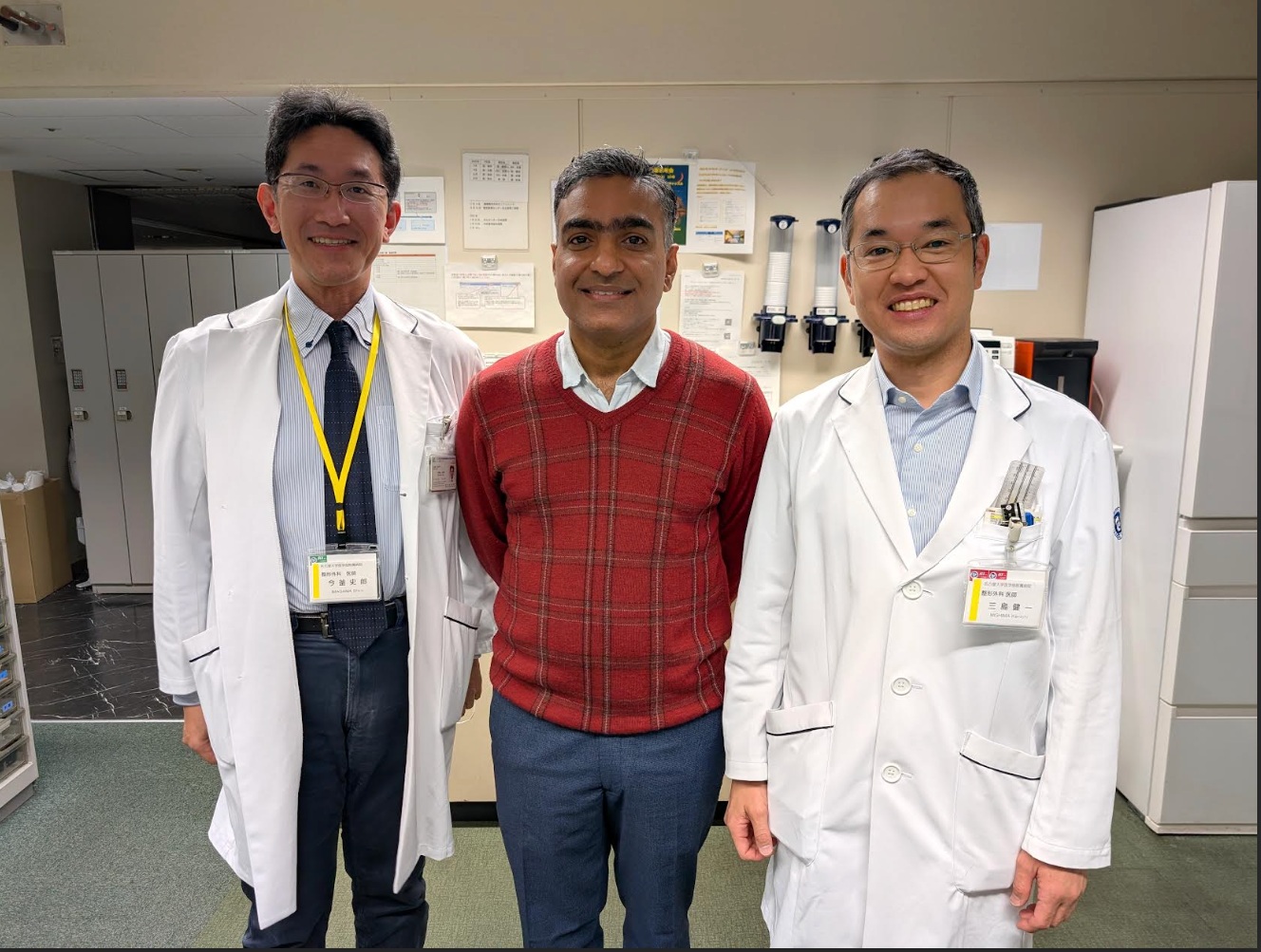
Following the briefing, time was spent visiting the various orthopaedic wards and the Physiotherapy Department, observing the continuum of care from inpatient management to rehabilitation. These visits highlighted the structured collaboration between surgeons, ward staM, and physiotherapists, and oMered practical insight into postoperative protocols, mobilization strategies, and functional outcome assessment in paediatric and adult orthopaedic patients.
The remainder of the day was devoted to the operating theatre, where three significant cases were observed.
Surgical Cases
The first operative case involved a 23-year-old female patient with achondroplasia who underwent humerus lengthening surgery. The patient demonstrated poor regenerate formation, a recognized complication in bone lengthening procedures particularly in achondroplasia due to altered bone biology. The surgical team, comprising a hand surgeon and paediatric orthopaedic surgeon, performed callus stimulation to enhance regenerate maturation. This combined surgical approach underscored the importance of collaborative expertise in managing challenging cases where bone healing is compromised. Such complications, as documented in literature, may entail prolonged recovery and require precise intervention to optimize outcomes.
The second case was an 11-year-old male undergoing Salter innominate osteotomy fixed with multiple threaded Kirschner wires. This case highlighted advanced and unique way of surgical containment of hip. This represented a novel containment strategy for Perthes disease in my experience. The advantages of the procedure over femoral osteotomy were very well explained by Dr Mishima who was also part of the surgical team. Addressing limb length discrepancy, abductor lurch, and a more cosmetically acceptable incision were highlighted as advantages of pelvic over femoral osteotomy.
The third case featured a syndromic child post-tibial lengthening, where the external fixator was removed following adequate regenerate maturation. This illustrated the culmination of the distraction osteogenesis process and highlighted the criteria for safe device removal to promote rehabilitation while preventing regenerate fracture or deformity recurrence.
Academic and Clinical Discussions
Interspersed between surgeries, extensive discussions took place regarding postoperative protocols and rehabilitation strategies. These dialogues emphasized the critical role of tailored physiotherapy regimens and monitored recovery milestones to prevent complications such as joint stiMness, muscle contracture, or delayed union.
26 Nov 2025
Nagoya University Hospital
The day was spent in the outpatient department with Dr Mishima Kenochhi and provided focused exposure to complex deformity, clubfoot management, and guided growth strategies in the proximal femur.
The clinic began with review of a patient with Russell–Silver syndrome who had undergone tibial lengthening for limb length discrepancy. The case highlighted the indications, planning, and follow-up for lengthening in syndromic short stature, including attention to regenerate quality, alignment, and functional outcome. Discussion also emphasized the need for long-term surveillance of growth and the potential requirement for staged procedures as the child matures.
Subsequently, several children with congenital talipes equinovarus (CTEV) were seen, illustrating diMerent phases of management. One child was in the orthotic rehabilitation phase, where the focus was on brace compliance, maintenance of correction, and early recognition of relapse. Another child was undergoing serial casting; Dr Mishima demonstrated the casting technique step by step, emphasizing proper thumb placement, correction sequence, and molding. By the sixth cast, the foot had achieved excellent correction, clearly demonstrating the eMectiveness of meticulous technique and adherence to protocol.
A particularly memorable case was a rare presentation of Fibrodysplasia ossificans progressiva. This patient underscored the need for a multidisciplinary approach involving orthopedics, rehabilitation, anesthesia, and internal medicine. The discussion centered on careful avoidance of unnecessary invasive procedures, strategies to minimize flare-ups, and the role of supportive and protective care rather than aggressive surgery.
In addition to the individual cases, there was a detailed, case-based discussion on growth modulation of the proximal femur. Dr Mishima presented the use of eight-plates across the trochanteric physis for correction of varus deformity, explaining indications, planning using imaging, surgical technique, and expected remodelling over time. The biomechanical rationale and potential complications, such as over- or under-correction, were also considered, reinforcing principles of guided growth as a powerful tool in the growing child.
Overall, the day oMered a concentrated learning experience in deformity correction, clubfoot management, and proximal femoral growth modulation, combining bedside teaching with high-level conceptual discussion under the expert guidance of Dr Mishima.
Fellowship Feedback: Hospitality and Learning Experience
The fellowship attachment provided an excellent opportunity to observe high-quality paediatric orthopaedic practice at two outstanding centres, each with experts who are clearly leaders in their respective fields and actively engaged in advanced clinical work. Exposure to their structured clinical pathways, surgical decision-making, and multidisciplinary collaboration was highly enriching and directly relevant to improving standards of care.
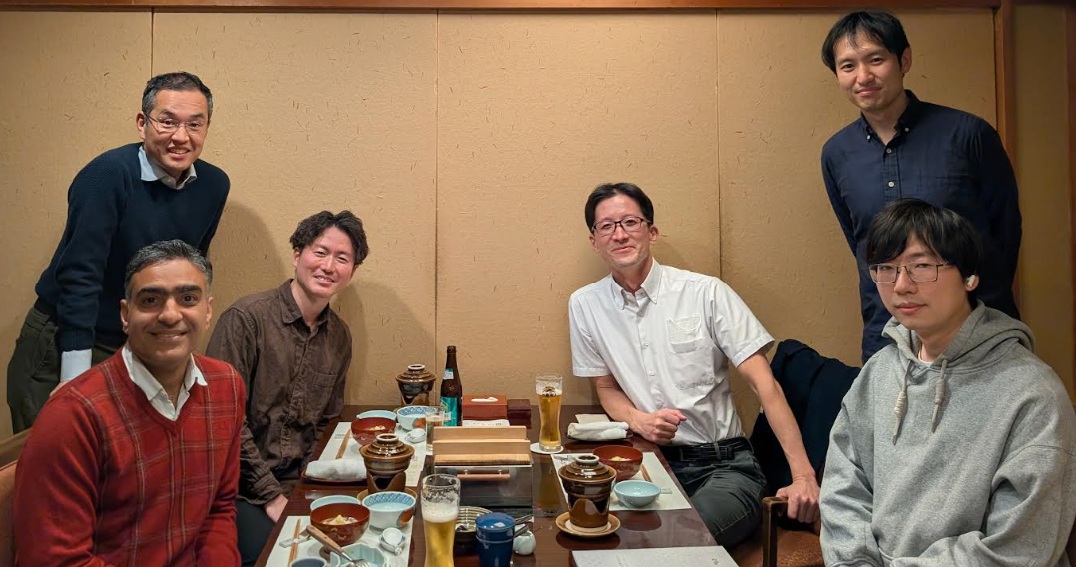
The hospitality extended by both teams was truly exemplary. Every member of the staM was warm, welcoming, and genuinely invested in ensuring a comfortable and productive learning experience. Particular thoughtfulness was shown in accommodating dietary preferences: the Aichi Children’s Health and Medical Centre team arranged a visit to an Indian restaurant to respect vegetarian choices, while the Nagoya University Hospital team hosted a meal at a traditional Japanese restaurant where the entire team shared a vegan menu. This level of cultural sensitivity and inclusiveness left a deep impression and reflected the values of the institutions.
From an educational standpoint, the clinical variety, openness to discussion, and willingness of faculty to share their protocols and operative strategies were outstanding. The environment was collegial, questions were encouraged, and there was a clear emphasis on teaching, reflection, and evidence-based practice. These interactions have provided several ideas and concepts that can potentially be adapted and integrated into routine practice back home.
The only limitation was the brevity of the fellowship duration. While the experience was intense and instructive, a longer posting would have allowed more time to follow patients longitudinally, observe a greater number of operative cases, and more fully internalize the nuances of their protocols and techniques into day-to-day practice. Nonetheless, even within this short period, the exposure and hospitality were of extremely high quality and are deeply appreciated.
36th JPOA Meeting at Yokohama
The hospitality extended by the Japanese Paediatric Orthopaedic Association during the 36th Annual Meeting at Yokohama was truly exceptional and formed an integral part of the overall fellowship experience. From the moment of arrival at the venue, every aspect of organization, coordination, and personal interaction reflected a culture of warmth, attention to detail, and deep respect for visiting fellows and faculty. The environment was not only academically stimulating but also personally welcoming, allowing meaningful connections to develop beyond the formal scientific sessions.
The presidential dinner was a particular highlight, symbolizing both the ceremonial and collegial spirit of the meeting. The event was meticulously planned, with thoughtful seating arrangements that encouraged interaction between Japanese faculty and international guests. The ambience, the formal addresses, and the informal conversations together created a unique opportunity to understand the ethos of Japanese paediatric orthopaedics—grounded in precision, humility, and collaborative learning. The dinner also provided an excellent platform to discuss clinical philosophies, training structures, and future directions in paediatric orthopaedic care in a relaxed and friendly setting.
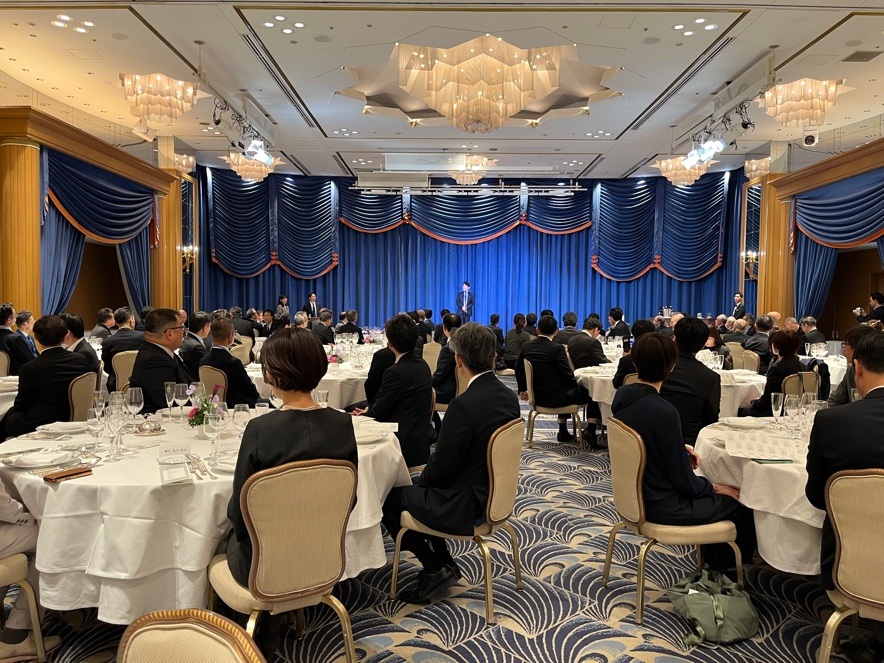
Throughout the meeting, there were numerous occasions to interact with many distinguished Japanese paediatric orthopaedic surgeons. These conversations were invaluable in gaining insight into their clinical pathways, decision-making frameworks, and research priorities. The faculty members were remarkably approachable and generous with their time, willingly sharing experiences, suggesting ideas, and responding to questions. This openness fostered an atmosphere where genuine academic exchange could flourish, bridging geographic and cultural distances through a shared commitment to improving care for children.
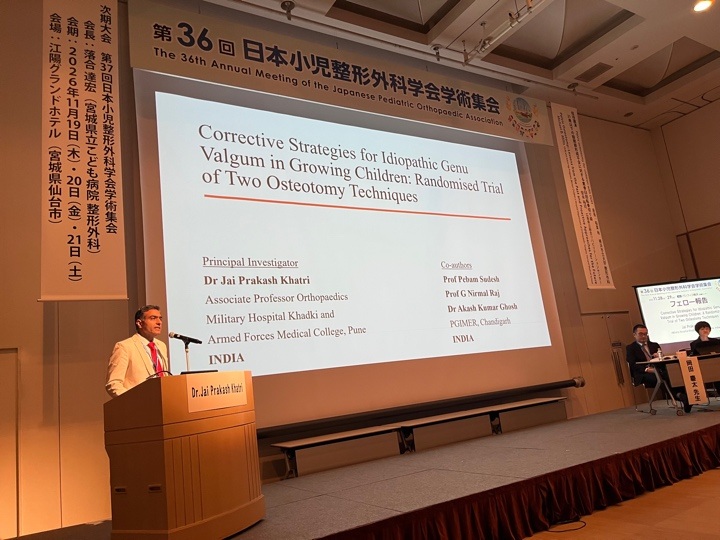
A particularly important component of the experience was the opportunity to present personal research in the form of the fellowship report on 28th November. The feedback received on this presentation was of great value, both in terms of scientific content and methodological refinement. Senior faculty and peers oMered constructive comments on study design, interpretation of results, and possibilities for future collaboration. These inputs have provided clear directions for strengthening the work further and for translating the learnings of the fellowship into tangible improvements in practice and research back home.
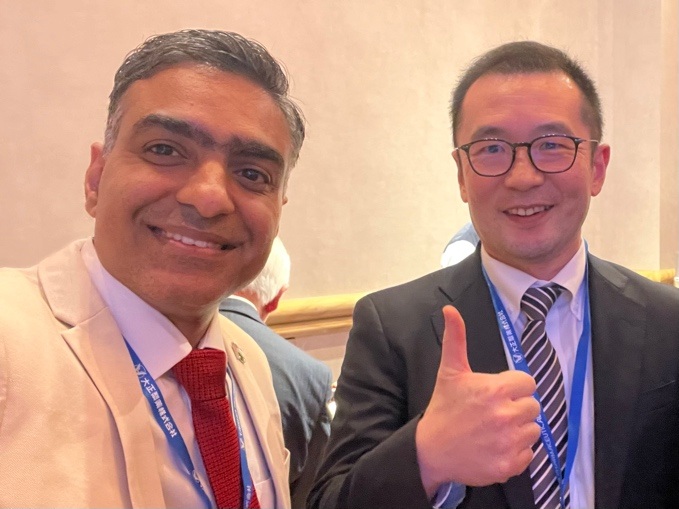
Beyond the formal academic program, the social interactions, informal discussions between sessions, and the overall courtesy shown by the organizing team left a lasting impression. Logistics were handled seamlessly, guidance was always available, and every eMort was made to ensure that fellows felt comfortable and included at every stage. The blend of rigorous academic standards with sincere personal kindness made the entire Yokohama experience both professionally enriching and personally memorable.
Sincere gratitude is due to the entire organizing team of the Japanese Paediatric Orthopaedic Association for providing this opportunity to visit Japan, participate in the 36th Annual Meeting, and share in their academic and cultural milieu. The fellowship, combined with the warmth and generosity experienced in Yokohama, has not only broadened clinical and academic horizons but has also created enduring professional relationships. This experience will remain a significant milestone in professional development, and the support and hospitality received are deeply appreciated.